5 Lessons From a Solo Rust Base Built Next to Oil Rig
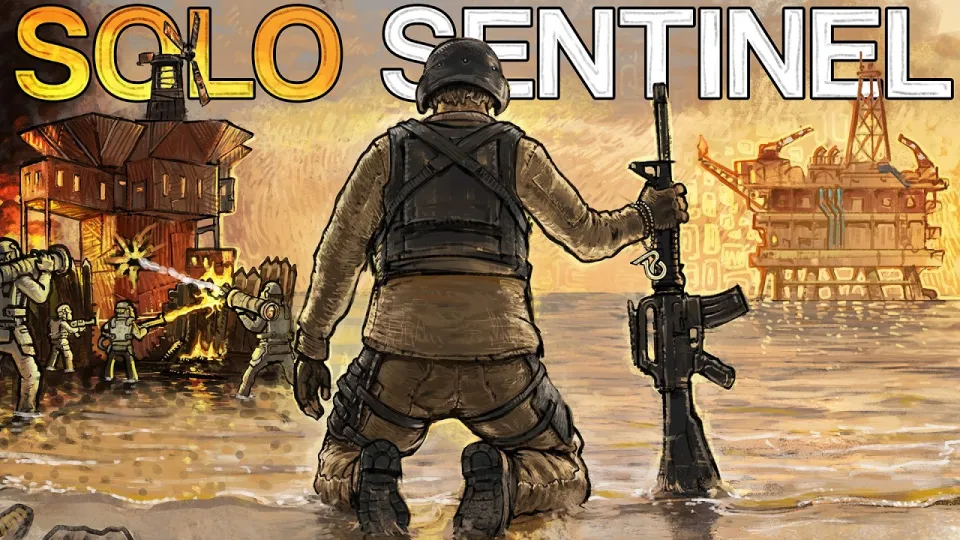
Video: The Solo Sentinel - Rust
Want articles like this for your own video to promote it on YouTube and Google? Order them through the Telegram bot @sat_sit_bot. The bot writes and publishes the articles itself (with your YouTube video embedded) on popular topical websites (no ads). Your first 50 articles are free.
· based on the channel Blooprint
Rust solo play is about turning a bad position into an advantage, and the clearest example is building right next to Oil Rig instead of hiding in the snow. Blooprint's solo wipe shows how a single player can claim a high-traffic monument, hold it with turrets and smart base design, and survive a rocket raid that arrives while the base is still being upgraded. The full run is documented in Blooprint's video, and you can follow his live sessions on Twitch if you want to see the same decisions made in real time.
Why building next to Oil Rig works for a solo player
Oil Rig is one of the most contested monuments in Rust, which is exactly why a solo base nearby can snowball so fast. The logic is simple: groups travel to Oil Rig for loot, a solo player who lives next door gets the first pick of crates, the first shot at swimmers, and a short walk home with heavy loot instead of a long, exposed run across the map.
The trade-off is constant pressure. A base next to a monument is visible, it gets scouted, and it gets tested early. The video's answer is to treat the base as part of the loot route: turrets cover the water approach, the walls go up before the loot gets stored, and the owner never leaves home with everything valuable in one inventory. That approach turns the monument into a farm multiplier rather than a magnet for raids.
The base design choices that made the defense possible
A solo base on a hot monument lives or dies on layout, and the build here follows a few concrete rules.
- Turrets first, storage second. Automated coverage on the water-facing side punishes anyone swimming in with explosives or a kit.
- Multiple small rooms instead of one big loot room, so a single rocket does not end the wipe.
- A code lock crafted early, before the first serious loot run, so the base is never left open.
- Honeycomb and upgrades layered in the order the base gets attacked, not in the order that looks nicest.
- An exit route that lets the defender drop out and flank rather than fight up a single staircase.
Viewers noticed the small early decisions, like the moment the code lock goes into the crafting queue, because in solo Rust those ten seconds decide whether the base is yours when you come back. The same design also explains why attackers panic when a defender appears from the water side instead of the front door.
How the solo snowball actually plays out
Snowballing as a solo is not about winning every fight, it is about converting one win into permanent infrastructure. The pattern in this wipe is recognizable: a cheap kit goes out, a better kit comes back, the better kit is used to contest Oil Rig traffic, and the profit goes into walls and turrets instead of into a bigger inventory of guns that can be lost in one death.
Timing matters as much as aim. Late-night hours on a Rust server are when small groups run monuments, and a defender who is awake and online at 3 AM has a real edge over players who are tired, over-encumbered with loot, or halfway through a boat ride. The video leans into that rhythm, with the base owner upgrading and placing turrets while other players are still moving across the water.
What the rocket raid revealed about solo defense
A raid on a solo base usually ends one of two ways: the attacker runs out of explosives, or the defender runs out of walls. Here the defense held long enough for the rocket supply to run dry, and the attacker's own messages in the community confirmed the raid was a late-night push before logging off.
Three things made the difference. First, the turrets kept firing while the defender repaired and repositioned. Second, the loot was spread across rooms, so losing a wall did not mean losing the wipe. Third, the defender chose fights inside the base rather than on open ground, where a solo player is always outnumbered. Even in a close loss, the amount of respect from the attacking side is the real scoreboard for a base like this.
What Rust viewers want from solo content
The reaction to this wipe points to a clear preference: solo runs are more engaging than fast progression through tier 2 and tier 3 gear. The reason is narrative. A solo creator talks to the audience, explains each decision, and shows the struggle that most players actually experience, while team content turns into comms chatter that leaves the viewer on the sidelines.
The most requested follow-ups were concrete: another multi-player solo series, a cave base wipe, and more unconventional plans instead of the standard fast-loot route. Players also responded to the humor of base naming and to the relatable chaos of meeting other players at a monument in the middle of the night. If you want to see those experiments happen live, the channel's streams are the place to ask for them.
Questions solo players ask before trying this
The most common doubts are about time, gear and fairness, and they are worth answering directly. A solo player does not need a full wipe to make a base next to Oil Rig work; a single evening with a code lock, a few turrets and a reliable exit route is enough to start. Gear matters less than positioning, because the monument delivers the kits. And the risk is manageable if loot is split between rooms and never carried in one trip. What separates a good solo wipe from a short one is not skill in aim but discipline in the order of upgrades.
All the links from this wipe
- Twitch for live Rust sessions
- Kick as an alternative stream home
- TikTok for short clips
- Twitter for wipe announcements
- Discord for the community server
Final thoughts on the solo sentinel approach
Building next to Oil Rig as a solo player is a bet that traffic beats isolation, and this wipe shows the bet paying off when the base is designed around defense rather than storage. The combination of early turrets, split loot, a water-side exit and late-night awareness turned a vulnerable position into a fortress that survived a full rocket raid. Blooprint's breakdown of the run is the best place to see the whole arc, from the first code lock to the last repair, and the channel keeps publishing solo experiments that follow the same logic. If you want to watch the next one live, join the stream on Twitch and bring your own base questions.
Key takeaways
- Blooprint built his solo base directly next to Oil Rig on a fresh wipe, keeping the monument within walking distance.
- The base relied on turrets, upgraded walls and a code lock crafted on stream before the first night.
- The wipe peaked with a rocket raid that the solo defender held off until the attackers ran out of rockets.
- Solo gameplay was the most requested format in the comments, ahead of group or team series.
- Viewer feedback pushed for more cave bases, underwater approaches and unconventional wipe plans.
Source: The Solo Sentinel - Rust · Markdown version
Questions & answers
Is it worth building a solo base next to Oil Rig in Rust?
Yes, if you accept constant pressure. The monument brings a steady flow of players carrying loot, so a solo base nearby gets early pickings and short loot runs. The base must be built for defense first: turrets covering the water approach, split loot rooms and an exit route that is not the front door.
How many turrets does a solo base need to survive a raid?
There is no fixed number, but coverage matters more than count. Turrets that watch the water side and the most likely breach point do more work than several turrets aimed at empty ground. In this wipe the turrets kept firing while the defender repaired and repositioned, which is what allowed the base to outlast the rocket supply.
Why do viewers prefer solo Rust content over group series?
Because a solo creator speaks directly to the audience and explains every decision out loud, which makes the game understandable even for people who do not play Rust. Group content turns into team comms, and the viewer loses that seat-next-to-the-player feeling. The struggles of a solo run are also more relatable than a fast tier 3 progression.
What should a solo player craft first on wipe day?
A code lock before any serious loot run, then the tools needed for the first monument trip, then turrets and walls. The order in this wipe was deliberate: secure the base, secure the loot route, and only then invest in upgrades. Skipping the code lock is the fastest way to lose a fresh base.